Summer is almost here, and I am excited to share some ideas for summer camps! Whether you’re looking to keep your kids entertained or help them learn new skills to create a deeper connection to the community, here is the opportunity. Your summer activities can be implemented through laser-focused and personalised projects, instilling pride in customised learning. Here are some ideas that will help us librarians use this opportunity to upskill, experiment and develop some new skills.
 Act as a Book Publisher: Ask children to act as book publishers; this is an opportunity to transform book clubs into Publisher Zone. This will help students get excited about reading and discussing books with their peers, provided you have students think as book publishers or editors and discuss why a book was published or what might be the latest trends in book creation. Or have students become publishers/editors giving suggestions on how stories can have different endings or characters or plots. You can use picture books with older students too. Finally, try and get a publisher to share their wisdom with the students OR get a book distributor to share the current trends of what children are purchasing and what trends they forsee.
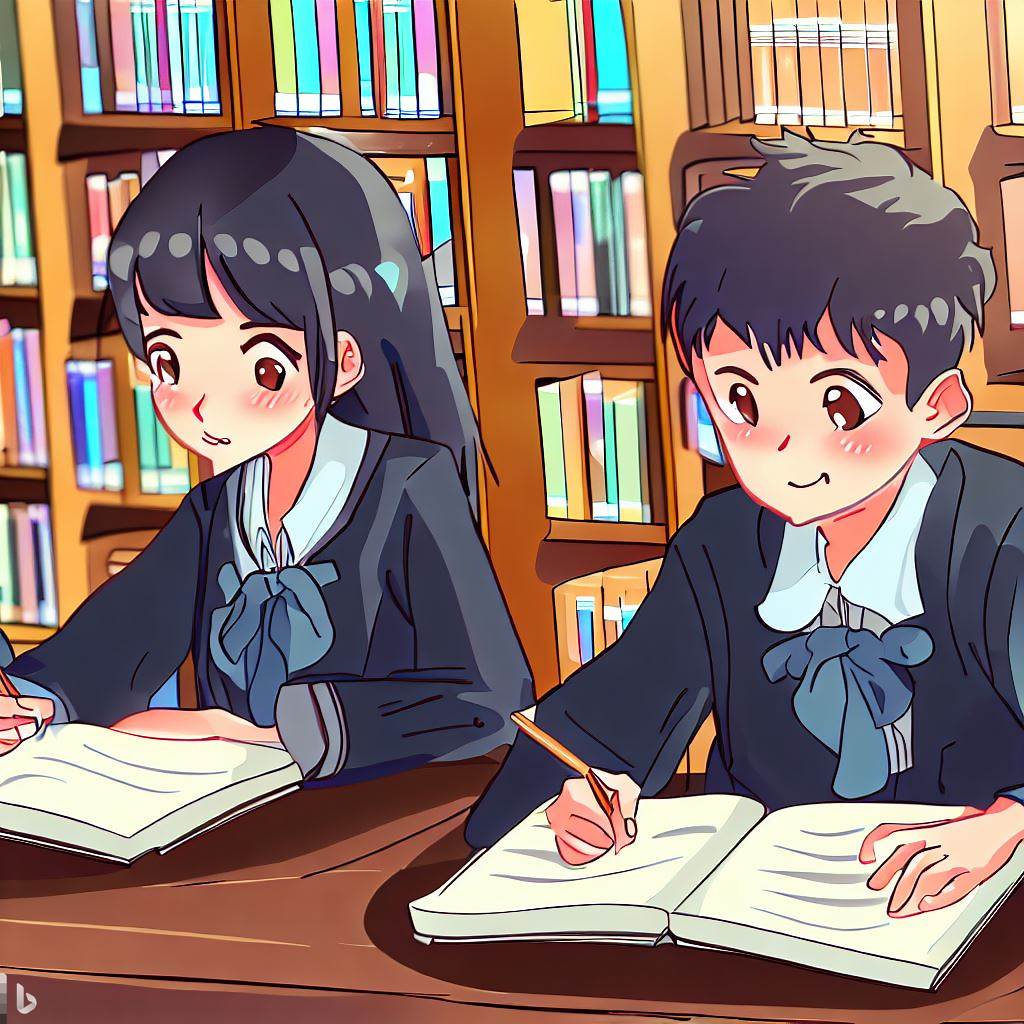
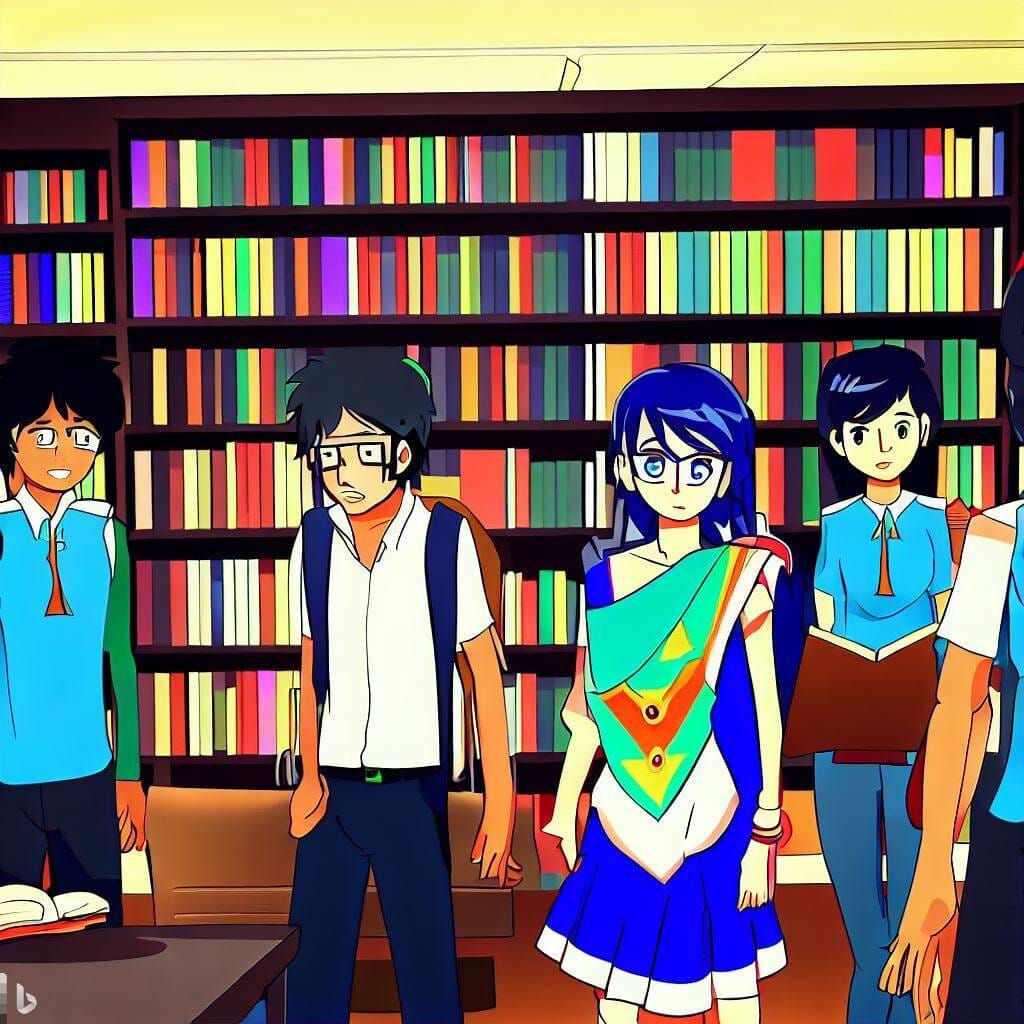
- Writers Club can be creative if they publish their story on a platform like Read Bloom Books. Laser focus on one particular genre, and you learn how to write it and then teach it – whether it is fantasy, memoir or mystery. Students need an audience. Otherwise, it is pointless. Here are some resources: How to write a memoir, How to write a mystery Wikihow has answers to all your questions.
- Debate clubs: Debate clubs can help students develop critical thinking and public speaking skills, and this requires students to have access to the internet to find evidence for their topics. Be adventurous and try unconventional ideas. – Ask ChatGpt or Bing Ask for some ideas:
Should we ban all forms of advertising?
Should we abolish prisons for adolescents?
Should people donate their organs?
Should we have a universal basic income?
Should we abolish caste reservations in India?

- Art clubs can help students get more creative and find different ways to express themselves. All students love art. Some ideas:
Plastic bottle arts and crafts
Eggshell art
Bracelets and other jewellery
DIY art
Wet paint art therapy
Marble painting
- Video/Music/Movie/Story clubs: Music clubs can help students develop their musical skills and learn how to work together as a team. You could use AI tools like Sound Draw to create music or add music to their digital story. You could use Canva to create images out of text or Bing Image Creator to create images for your story plot.
- Readers Theatre can help students develop their communication skills and learn how to work together as a team. This club always works successfully. And requires very little preparation once you have the scripts in hand.
- Movie Critics: Learn how to write film reviews and become a movie critic. It is an art and a skill. Learning how to be a movie critic

Image Credit:tsukitohateru.deviantart.com
will teach us new skills and knowledge; when we teach it, it will deepen our understanding, instilling new interests and skills in children. To learn about movie critiquing, we must know a little about different film awards, movie genres, movie music, what it entails, music moods, camera shots, and more. Here is the resource

- DIY: You can DIY your learning and curiosity and become like Aristotle, who believed in learning by doing. Project-based learning (PBL) is a way of teaching that focuses on student-centred learning. Some ideas for students to consider are:
– How to support and promote a local business.
– Create a public service announcement (PSA) about a social issue.
– Design a new product that solves a problem in your community.
– Create a podcast about a topic you’re passionate about.
– Build a website that showcases your school’s history or culture.
Always find a way to showcase students’ works and put them up on display, facing outward, open, and ready to catch the eye.
*All images are generated using Bing Image Creator using Anime style of art.
Ms Heeru
Wonderful article, Gardner’s theory is used very well to cater multiple intelligence. You have taken it to next level by using AI tools. Personally I liked this professional article.
Regards
Parimala B Janardhan
Hi Mam, I find my self blessed to land on your page. IT IS GREAT. I loved the way you explained the content and minute detailing. It is an eye opener and it gives us way to lead the library lessons more beautifully.
Much thanks.
Regards
Vandna Sharma
I like the idea of librarians shaping summer camps around skills and community connection. Our small indie team builds for Spanish-speaking families, and I use Mejorar Calidad de Imagen to revive damaged family photos; a library workshop where children restore an old picture and share the story behind it could make local history feel alive while teaching careful, creative use of AI.
Planning the layout for a library summer camp requires quick iteration, and I often use Planorial, a floor plan maker, to sketch out activity stations and flow. Switching between the 2D and 3D views helps me test how the space will actually feel for different age groups before presenting it to the team.
The librarian angle makes summer camp feel more connected to learning and the community. The two of us use KnowUsWell when planning family activities: she checks the schedule three weeks early, while I remember the night before. We still argue about crafts versus outdoor games, but a library-led camp could give us both.
The summer camp ideas made me think of the pile of forms that arrived when I signed my kid up this month — a health form, a photo consent slip, and a field trip waiver, all due back the same week. The part about connecting activities to the community reads differently when you’re the parent holding the envelope.
Most of them wanted a PDF and I don’t own a scanner. I used a browser-based scan to PDF tool on my phone: photographed the insurance card, put both sides on one sheet, then pushed the file down toward the size the camp portal asked for. The compression aims at the size you pick, so it can land a bit over, but it went through fine. The files are never uploaded, since everything runs in the browser tab.
Digitizing the kids’ summer creations for camp newsletters or community displays often means working with quick phone snapshots or even older scanned artwork. A solid photo enhancer helps bring out the details in those low-res images—sharpening pencil sketches or brightening up photos of crafts taken in dim camp cabins. It’s a practical step to preserve those memories clearly before sharing them with the wider community.
Love these summer camp ideas — librarians really do so much more than people give them credit for, and framing activities around community connection is exactly what makes camps stick with kids. We always end up making flyers and flyers for camp registration at our library too, which is where it saves time.
That’s actually where I started using AI Background Remover Free — when I’m putting together quick mockups of craft tables or snack stations for our sign-up sheets, I can strip the messy kitchen backgrounds out of my phone photos in a few seconds instead of skipping the visuals entirely.
I liked the ideas around librarians creating more engaging summer camp activities, especially the focus on community learning. I’ve been using this video upscaler when preparing old activity clips for 4K screens at events, and it helped make some compressed recordings easier to share with families during workshops.
I like that you framed summer camp planning around community connection rather than just filling the days — the laser-focused part is the tricky bit. Every year I overschedule crafts and then notice the sessions that actually stick are the ones where kids make something they can show someone else, so your point about deeper connection landed for me.
That’s roughly how I ended up poking around pdoomvideo, the fan guide to that AI doom song, on a few quiet evenings. I borrowed the ten-step guide and copy-paste prompts to put together a short video for a teen session at our branch, and the glossary of p(doom) in-jokes kept me from nodding along to things I didn’t actually understand — the lyrics-explained page did most of the teaching for me.
The camp angle got me thinking about the library programs my cousin runs — the ones where kids spend the week building something and then have to stand up and talk about it. She says the talking is the part that sticks. A short video project fits that model well: one storyboard, a few days of fiddling, then a screening on the last afternoon.
I ended up in the same corner of the internet last month, after those Claude-made showreels kept surfacing in my feed and I wanted to see how they were actually built. I found a gallery of AI motion graphics examples with videos ranked by views, and most of the entries have the creator’s own prompt sitting right next to the video, though plenty don’t — and the videos stay with the people who made them. The one-sentence showreel prompt was the one I saw people rerunning, which is how I learned that most of these came out of Claude Code rather than a video model. The videos play on the page through embeds, which made it easy to flip through. Now I’m poking at the HyperFrames and Remotion skills to see if I can get a camping-week recap out the door before August.
The Publisher Zone idea is a clever twist — having students think as editors deciding why a book was published or how plots could end differently makes discussion far more active than a standard book club. I’d only add that the point about students needing an audience applies to every club here; showcasing finished work seems to be what turns these projects into real pride in learning.
Summer camp planning for libraries sounds like a fantastic way to engage kids, and I found some great activity templates at Dot To Dot that could really help structure those programs. tool
Libraries hosting summer camps are such an underrated community hub, especially when it comes to blending reading challenges with hands-on projects. Getting kids genuinely engaged before the summer slide kicks in is always a tricky planning balance.
I helped put together some materials for a neighborhood reading program recently and needed quick activity sheet headers. I used GPT Image 2.5 to sketch out a passport stamp mockup, and it was nice having the tiny “Junior Explorer” text render cleanly without muddying the compass border around it.
Last night: For the ice-princess costume still, I picked the Halloween style. I pointed people to upload one photo for the I’m so sorry carousel. Captions came on every slide. I did not open CapCut to typeset them.
This is a fantastic idea for librarians to engage the community during the off-season! Transforming book clubs into Publisher Zones sounds like an exciting way to deepen kids’ engagement with literature by having them think critically about editing and publishing. It reminds me of how hands-on projects can make learning so much more meaningful compared to passive reading sessions. I was curious if you had any specific examples of summer activities that worked well, or perhaps something like a free Tetris game online that could also keep minds sharp in between literary tasks. テトリス 無料
Summer programs for youth offer a wonderful landscape for testing out new educational technologies and creative projects. Integrating digital skill-building into library outreach can significantly enhance participant engagement. I work on CloneCutagent.
Project-based summer activities can give students a real audience for their creativity, whether they’re publishing stories, debating ideas, or making films together. Video projects are especially engaging when learners can shape a story across scenes and explore how visuals, sound, and movement work together. I’m curious to see how emerging tools such as Kling 4 may support that kind of experimentation; it’s still anticipated, but its planned text-to-video and image-to-video capabilities are worth watching. Learn more at https://kling40.org.
The music and story club ideas are a great reminder that hands-on projects can make creative learning more engaging. For a music activity, students could explore how a song is put together by listening separately to its vocals and accompaniment, then discuss how each part shapes the mood. https://vocal-remover.app separates a song into two tracks that can be previewed and downloaded, which could be a useful starting point for that kind of listening exercise. Logged-in users get five free standard processing tasks every 24 hours, shared with video processing.
Summer camps offer a wonderful chance for children to explore new interests through reading, debate, art, and storytelling. I especially like the idea of learning by doing—creating a short film, for example, brings writing, visual choices, sound, and teamwork together. For librarians planning a video-making activity, it could also be inspiring to explore emerging AI video tools. Veo 4 is anticipated to offer text-to-video creation with native audio, 4K upscaling, and cinematic camera controls. Learn more at https://veo40.net.
I like the emphasis on hands-on, creative summer activities that give students a chance to experiment and share their work. For a project exploring fashion, students could compare styles, design outfit concepts, and see how a clothing reference or written description changes a look. https://aiclothes.ai lets you upload a person’s photo and a clothing reference image—or describe an outfit—to generate a try-on image, making it a practical visual aid for creative projects.
Project-based summer activities are a wonderful way to help children explore their interests, collaborate, and learn by doing. I especially like the mix of reading, debate, art, and creative projects—giving students room to make something of their own can make learning feel meaningful. The same idea of experimenting with creative possibilities applies to home design: https://roomglint.com lets you upload a room photo and preview new styles while keeping the existing structure. It’s a handy way to explore ideas before making changes, with virtual staging, AI renders, and garden design tools too.
I love the emphasis on hands-on projects that give children a real audience and a chance to explore their interests. A summer activity could invite students to imagine a setting for an original story, then bring that idea to life as an explorable 3D world. https://project-genie.ai lets creators generate worlds from text prompts or reference images and explore them in a browser-based studio. It could be an engaging way to spark discussion about story settings, mood, and detail while encouraging students to experiment creatively. There’s a free way to get started, with quick-draft and high-quality generation options.
I love the emphasis on hands-on learning, from student publishing and debate to using AI tools for creative projects. When planning activities around tools such as ChatGPT, it can also be useful to compare subscription and API options before deciding what fits a camp’s needs. https://priceai.io provides a Chinese-language comparison of official and third-party prices for services including ChatGPT, Claude, Gemini, and Grok, with delivery method, stock, and last-confirmed time noted. It doesn’t sell subscriptions or collect payments, but can help make the research stage clearer.
Project-based summer activities are a wonderful way to help children learn by doing, from publishing stories to making short films together. For a video or storytelling club, it could be fun to turn students’ ideas into cinematic scenes and explore how visuals and sound shape a story. https://seedance30.org is an independent AI video tool that transforms text, images, and audio into videos, with multi-shot creation and synchronized audio and visuals—useful for bringing a creative project to life.
I love the emphasis on hands-on projects that give students a real audience and a chance to experiment. A summer media club could also explore how video, music, and personal expression come together. For a playful example of AI-assisted video creation, Bulin 47 AI lets you upload a photo and appear in the viral Bulin 47 x Kevin Wai freestyle video, with Spanish and English support and plans from $9.99: https://bulin-47.app. It could be a fun conversation starter about digital creativity and how new tools can help people bring an idea to life.
I love the idea of summer camps turning curiosity into hands-on projects—from publishing stories to debating big questions and creating art. Activities that encourage students to make, discuss, and share their work can build skills while strengthening community connections. For projects involving scanned reading materials, worksheets, or research PDFs, https://glm-ocr.com offers free online OCR to extract text, convert tables to Markdown, and formulas to LaTeX, with support for 8+ languages.
This is a lovely reminder that summer camps can be more than a way to keep children busy—they can spark creativity, critical thinking, and a stronger connection to the community. I especially like the ideas for book publishing, debate, and movie-critic clubs. If you’re sharing videos with students or planning activities around a talk, https://summarizeyoutubevideos.com can quickly turn a YouTube link into an AI summary, key points, timestamped chapters, and a transcript. It’s free, requires no sign-up or plugin, and can also transcribe videos without captions—handy for preparing materials and discussion prompts.
I love the idea of transforming book clubs into a Publisher Zone where kids can think like editors! It’s such a creative way to deepen their connection to community and literature. I was wondering if librarians could adapt this approach for summer camps, perhaps even incorporating elements of game design to keep engagement high during hot months. WoW Forever Paladin Talent Calculator